How to Choose a Yoga Mat: The Only Guide You Need (2026)
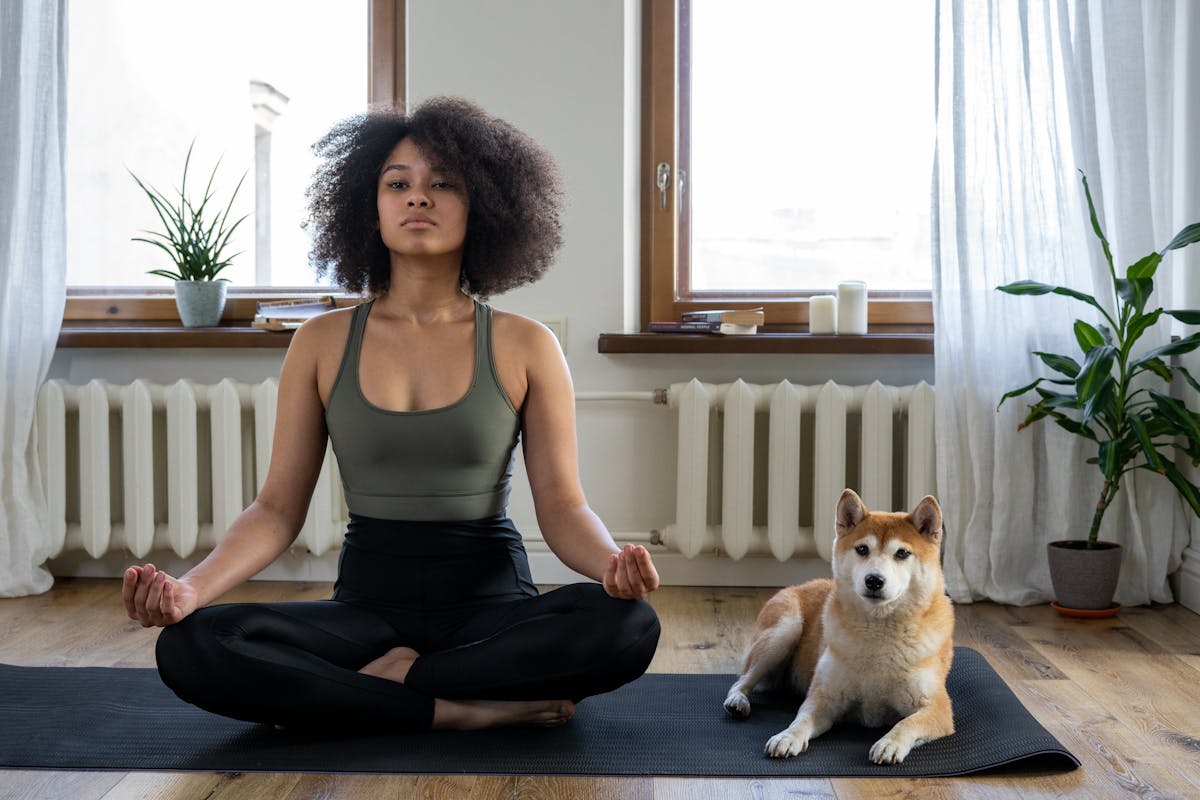
I spent my first two years of yoga on a $12 mat from a discount store. It smelled like a tire, slid across the floor during downward dog, and gave my knees zero cushioning. I thought that was just how yoga mats worked.
Then a friend let me borrow her Manduka for a class, and I realized I'd been making yoga harder than it needed to be. The right mat doesn't just feel nicer — it changes your practice. You hold poses longer because your hands aren't slipping. You actually enjoy floor sequences because your knees don't ache.
But here's the thing: the "right" mat is different for everyone. A hot yoga regular needs something completely different from a beginner doing gentle stretches at home. This guide breaks down every factor that actually matters — thickness, material, grip, size, and budget — so you can pick the right mat without buying three wrong ones first.
Already know what you want? Check out our Best Yoga Mats (2026) roundup for specific product picks.
What's in This Guide
- 1. Thickness Guide — The Most Important Decision
- 2. Material Comparison — PVC vs TPE vs Rubber vs Natural
- 3. Surface Texture & Grip
- 4. Size — How to Match Your Height
- 5. Best Mat for Your Yoga Style
- 6. Yoga Mats for Bad Knees
- 7. Budget Guide — What to Expect at Every Price
- 8. Care & Cleaning Tips
- 9. Our Top Picks
- 10. FAQ
1. Thickness Guide: The Most Important Decision
Thickness is the single biggest factor in how a yoga mat feels. Get this wrong and nothing else matters — a perfectly grippy mat that's too thin will still hurt your knees, and a beautifully designed mat that's too thick will make you wobble in every standing pose.
Here's the breakdown:
| Thickness | Best For | Pros | Cons |
|---|---|---|---|
| 1/16" (1.5mm) | Travel | Ultra-portable, folds into a bag, great as a studio overlay | Almost no cushioning — you'll feel the floor through every pose |
| 1/8" (3-4mm) | Most practitioners (standard) | Best balance of cushioning, stability, and portability | Not enough for sensitive knees on hard floors |
| 1/4" (6mm) | Bad knees, joint issues, restorative yoga | Excellent cushioning, comfortable for long holds | Slightly less stable for balance poses, heavier |
A note on extra-thick exercise mats (1/2" and up): these are not yoga mats. They're designed for floor exercises, Pilates, and stretching. Your feet will sink into them during warrior poses. If you see a "yoga mat" thicker than 1/4", it's really a fitness mat in disguise.
2. Material Comparison: What Your Mat Is Made Of Matters
Material affects grip, durability, weight, smell, eco-friendliness, and price. There's no single "best" material — each has real tradeoffs. Here's an honest comparison:
| Material | Grip | Durability | Weight | Eco-Friendly | Price Range |
|---|---|---|---|---|---|
| PVC (Vinyl) | Good dry, poor wet | Excellent (5-10 yrs) | Medium-Heavy | No — not recyclable | $15-120 |
| TPE | Moderate | Good (2-5 yrs) | Light | Better — recyclable | $20-60 |
| Natural Rubber | Excellent (even wet) | Good (3-5 yrs) | Heavy | Yes — biodegradable | $60-130 |
| Cotton / Jute | Good (improves wet) | Moderate (1-3 yrs) | Light-Medium | Yes — natural fibers | $30-80 |
PVC — The Workhorse
PVC dominates the market for good reason: it's incredibly durable, easy to clean, and comes at every price point from bargain to premium. The Manduka PRO is PVC and it's one of the best mats ever made. The downside? PVC isn't eco-friendly — it's essentially plastic, and cheap PVC mats off-gas a chemical smell that can take weeks to dissipate. If environmental impact matters to you, look elsewhere.
TPE — The Middle Ground
Thermoplastic elastomer is lighter and more eco-friendly than PVC, with decent grip and cushioning. It's the go-to for "I want something better than the cheapest option but don't want to spend $100." The catch: TPE wears out faster than PVC or rubber, so you'll replace it sooner.
Natural Rubber — The Performance Pick
If grip is your #1 priority, natural rubber wins. JadeYoga's mats are the gold standard here — open-cell rubber that grips even when your hands are soaked. The tradeoffs: rubber mats are heavy (5-7 lbs), have a noticeable rubber smell for the first few weeks, and break down faster than PVC when exposed to sunlight. Also, if you have a latex allergy, natural rubber is a no-go.
Cotton & Jute — The Traditional Choice
These natural-fiber mats are popular in traditional Ashtanga practice. They're thin, machine-washable, and their grip actually improves when damp. The downside: minimal cushioning and less durability. They work best as a layer over a rubber mat or on carpet.
3. Surface Texture & Grip: Why Your Hands Slide
Grip isn't just about material — surface texture plays a huge role. There are two types of grip to think about:
Dry Grip
How well the mat holds when your hands are dry. PVC mats generally win here — the slightly tacky surface of a Manduka or Gaiam feels glued to your palms. Most new mats have good dry grip.
Wet Grip
How well the mat holds when you're sweating. This is where cheap mats fail completely. Natural rubber and polyurethane-topped mats excel here. If you sweat even moderately, wet grip should be a top priority.
Texture patterns matter too. Some mats have raised ridges or a crosshatch pattern that channels sweat away and provides mechanical grip. Others are smooth and rely purely on the material's stickiness. For sweaty hands, textured surfaces outperform smooth ones every time.
4. Size: Matching Your Mat to Your Body
Standard yoga mats are 68" long and 24" wide. That works fine if you're under 5'8". But if you're taller, your head or feet hang off the edge in savasana, and you spend standing poses adjusting your position instead of holding them.
| Your Height | Recommended Mat Length | Width |
|---|---|---|
| Under 5'4" | 68" (standard) | 24" (standard) |
| 5'4" – 5'10" | 71" (long) | 24" (standard) |
| 5'10" – 6'2" | 74" (extra long) | 26" (wide) |
| Over 6'2" | 78-84" (XXL) | 26-30" (wide/extra wide) |
Width is underrated. If you have broad shoulders or just want more room for flowing sequences, a 26" wide mat makes a surprising difference. Manduka and Jade both offer wide versions of their popular mats. I switched to a 26" mat two years ago and I'll never go back — there's just more room to move without worrying about landing on the hard floor.
One thing to check: if you practice at a studio, make sure an oversized mat fits in their mat storage cubbies. Most studios accommodate up to 74" mats, but XXL mats sometimes stick out.
5. Best Mat for Your Yoga Style
Different yoga styles put very different demands on your mat. Here's what to prioritize for each:
Hot Yoga / Bikram
You will sweat. A lot. Wet grip is non-negotiable. Go with natural rubber or a polyurethane-topped mat. Many hot yoga regulars also layer a microfiber towel on top for extra absorption.
Priority: Wet grip > open-cell or PU surface > easy to clean
Avoid: Smooth PVC mats — they become skating rinks when wet
Vinyasa / Power Yoga
Fast transitions between poses mean you need a mat that's grippy in all conditions and stable enough for quick movements. A standard 1/8" mat in rubber or high-quality PVC works best. You want something that stays put on the floor too — lightweight mats tend to bunch up during fast flows.
Priority: All-around grip > stability > durability
Restorative / Yin Yoga
Long-held poses (3-10 minutes each) mean comfort is king. A thicker 1/4" mat makes a massive difference when you're lying on your side for five minutes. Grip matters less here since you're not doing dynamic movements.
Priority: Cushioning > comfort > softness
Hatha / Beginner Yoga
A standard 1/8" mat in any decent material will serve you well. Don't overthink it — at this stage, you're still figuring out what kind of yoga you like. Buy a solid mid-range mat ($30-50), practice for a few months, then upgrade once you know your preferences.
Priority: Value > versatility > comfort
6. Yoga Mat for Bad Knees: What Actually Helps
If you've got knee issues, you already know — kneeling on a thin mat on a hardwood floor is genuinely painful. Here's what works:
- Go 1/4" (6mm) minimum. This is the single most impactful change. The extra padding protects your kneecaps during tabletop, low lunge, and camel pose.
- Consider closed-cell foam. It compresses less under pressure than open-cell, meaning your knees get consistent support even during long holds.
- Add a knee pad. Even with a thick mat, a dedicated yoga knee pad (about $15) placed under your knees gives you an extra layer of protection exactly where you need it. This is honestly the best $15 you'll spend.
- Skip extra-thick exercise mats. I know 1/2" sounds better for knees, but the instability in standing poses creates new knee strain. A 1/4" yoga mat + knee pad combo beats a thick exercise mat every time.
7. Budget Guide: What You Get at Every Price
Here's what I tell everyone: buy the cheapest mat that won't frustrate you. For some people that's $20, for others it's $100. There's no point spending more than your practice demands.
Under $20 — "Testing the Waters"
Basic PVC mats from Amazon Basics or store brands. They work. The grip is adequate when dry, the cushioning is minimal, and they'll start showing wear after 6 months of regular use. Perfect for: trying yoga for the first time, occasional home stretching, or a mat you keep at the office.
Expect: Chemical smell, slippery when wet, thin padding.
$20-50 — "The Sweet Spot for Most People"
This is where you get mats that are actually nice to practice on. Brands like Gaiam, BalanceFrom, and Heathyoga offer solid grip, reasonable cushioning, and fun designs. A $30-40 mat will serve a regular practitioner well for 1-2 years.
Expect: Good dry grip, decent cushioning, reasonable durability. Still some off-gassing.
$50-100 — "Serious About Yoga"
You're getting into natural rubber territory, TPE mats with premium construction, and lower-end Manduka models. The grip is noticeably better, the materials last longer, and the overall feel is a real upgrade. Worth it if you practice 3+ times per week.
$100+ — "The Last Mat You'll Buy"
Manduka PRO, Liforme, JadeYoga Harmony Pro — these are investment pieces. Superior materials, lifetime or multi-year guarantees, and performance you can feel immediately. The Manduka PRO has a lifetime warranty and mine still looks nearly new after three years of daily use. If you practice daily, the cost-per-use makes these the best value long-term.
8. Care & Cleaning: Make Your Mat Last
A clean mat lasts longer and grips better. Here's what actually works — no expensive mat sprays needed:
After Every Practice
Wipe your mat down with a damp cloth. That's it. If you want a spray, mix equal parts water and white vinegar in a spray bottle with 3-4 drops of tea tree oil. Spray, wipe, air dry. Takes 30 seconds and prevents bacteria and odor buildup.
Deep Clean (Monthly)
Fill your bathtub with warm water and a few drops of mild dish soap. Submerge the mat, gently scrub both sides with a soft cloth, rinse thoroughly, and hang to dry completely before rolling up. Never machine wash a yoga mat — the agitation damages the material.
Storage Tips
- Roll your mat with the practice side (the side you stand on) facing out. This prevents the edges from curling up during your next practice.
- Store out of direct sunlight — UV breaks down rubber and TPE faster than anything.
- Don't leave your mat in a hot car. Heat warps the material and can permanently damage the structure.
- Let your mat dry completely before rolling. A damp, rolled-up mat is a mold factory.
9. Our Top Picks for 2026
Based on our extensive testing (see our full Best Yoga Mats review and Manduka vs Lululemon comparison), here are two mats we recommend for different needs:
Best Overall: Manduka PRO 71"
Dense PVC, lifetime warranty, unbeatable durability. Needs break-in time but becomes the best mat you've ever used after a few weeks. At around $120, it's a buy-once-cry-once situation.
Check Price on AmazonBest Budget: Gaiam Premium 6mm
Under $25 for a mat with good grip, decent cushioning, and fun patterns. Perfect for beginners or anyone who isn't ready to invest $100+ in a mat. Won't last forever, but it'll last long enough to figure out if you love yoga.
Check Price on AmazonFrequently Asked Questions
What thickness yoga mat should I get?
For most people, 1/8" (3-4mm) is the sweet spot — enough cushioning without sacrificing stability. Go with 1/4" (6mm) if you have bad knees or joint pain. Travel mats at 1/16" are only worth it if portability is your #1 concern.
What is the best yoga mat material?
Natural rubber for best grip (especially wet), PVC for best durability, TPE for a lighter eco-friendly middle ground. For hot yoga, rubber or polyurethane-topped mats are the clear winners. For budget and longevity, PVC remains king.
How often should I replace my yoga mat?
When you see visible wear (thinning spots, flaking, reduced grip). Budget mats: 6-12 months. Mid-range: 2-3 years. Premium mats like the Manduka PRO: 10+ years. If your hands are sliding in poses where they didn't before, it's time.
The Bottom Line
Don't overthink this. If you're new to yoga, grab a $25-40 mat with at least 1/8" thickness and start practicing. You can always upgrade later once you know what matters to you — and you will know after a month of regular practice.
If you're already committed and practicing regularly, invest in a quality mat. A $100-120 mat that lasts a decade is cheaper than buying five $30 mats that wear out. Check our full rankings for specific recommendations at every price point.