Best Rice Cookers (2026): We Tested 5 Models So Your Rice Stops Coming Out Mushy
Quick Comparison: Our Top Picks
| Rice Cooker | Best For | Capacity | Rating |
|---|---|---|---|
| 🥇 Zojirushi NS-TSC10 | Best overall | 5.5 cups | ★★★★★ |
| 🥈 Tiger JBV-A10U-W | Best runner-up | 5.5 cups | ★★★★★ |
| 🥉 Instant Pot Duo 7-in-1 | Best multi-use | 6 qt | ★★★★★ |
| Aroma ARC-914SBD | Best budget | 8 cups | ★★★★★ |
| Hamilton Beach Digital | Best simple digital | 8 cups | ★★★★★ |
Table of Contents
How We Tested
We cooked rice in each of these machines every day for three weeks. Not just white rice—we ran through short grain, long grain, jasmine, basmati, brown rice, and sushi rice. We wanted to know which cookers could handle versatility, not just nail one type.
- Rice quality: Texture, moisture level, and consistency across multiple batches. We tasted side-by-side.
- Keep-warm performance: We left rice on keep-warm for 4, 8, and 12 hours, then checked if it was still edible or had turned into a dried-out brick.
- Ease of use: How intuitive are the controls? Can you set it and forget it, or do you need to babysit?
- Cleanup: Non-stick coating quality, removable parts, and whether the lid actually comes apart for washing.
- Versatility: Can it handle oatmeal, quinoa, steaming vegetables, or cooking a whole meal?
We also measured how long each cooker took from pressing start to the "done" beep, because nobody wants to wait 90 minutes for rice when they're hungry now.
Zojirushi NS-TSC10 Neuro Fuzzy Rice Cooker
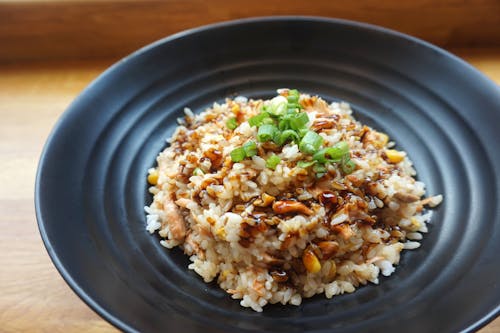
There's a reason every Asian household I know either has a Zojirushi or wants one. The NS-TSC10 uses what Zojirushi calls "Neuro Fuzzy" logic—which sounds like marketing nonsense until you taste the rice. It monitors temperature throughout the cooking process and makes micro-adjustments so every grain comes out evenly cooked. After three weeks of daily use, I never got a single batch of mushy or crunchy rice. Not once.
The menu settings cover white rice (regular and softer), mixed rice, sushi rice, porridge, sweet rice, brown rice, and a quick-cook option. The LCD display with a clock means you can set it to have rice ready when you walk in the door. And the keep-warm function is genuinely impressive—rice left on warm for 12 hours was still moist and perfectly edible. The inner pot has clear water-level markings for different rice types, which takes all the guessing out. Made in Japan, and the build quality reflects it.
Key Specs
- Capacity: 5.5 cups (uncooked)
- Technology: Neuro Fuzzy logic
- Menu settings: 7+ presets
- Keep warm: Up to 12 hours
- Made in: Japan
- Weight: 8.5 lbs
Pros
- Fuzzy logic produces flawless rice every time
- 12-hour keep-warm without drying out
- Multiple menu presets for different grains
- Delay timer with LCD clock
- Made in Japan—built to last 10+ years
Cons
- Premium price ($150-$200)
- Takes 50-60 minutes for white rice (slower than basic models)
- Retractable cord is short (about 3 feet)
Our verdict: If you eat rice regularly, the Zojirushi NS-TSC10 is a buy-it-for-life appliance. The rice quality difference between this and a $30 cooker is immediately obvious. Yes, it costs more. Yes, it's worth it.
Tiger JBV-A10U-W 5.5-Cup Rice Cooker
Tiger is the other big Japanese rice cooker brand, and the JBV-A10U is their best mid-range offering. What sets this one apart is the "tacook" cooking plate—it sits on top of the rice and lets you steam a protein or vegetables simultaneously. You put rice in the bottom, chicken and broccoli on the plate, press one button, and walk away. Dinner, done. In a single appliance. I used it for salmon fillets over jasmine rice and it worked shockingly well.
The rice quality is excellent—not quite Zojirushi-level consistency, but genuinely close. It has four cooking modes: white rice, brown rice, slow cook, and synchro-cooking (the tacook mode). The non-stick inner pot cleaned up easily every time, and the whole unit feels well-made. At roughly half the price of the Zojirushi, the Tiger is where I'd point anyone who wants great rice and the bonus of one-pot meal capability.
Key Specs
- Capacity: 5.5 cups (uncooked)
- Special feature: Tacook cooking plate
- Menu settings: 4 modes
- Keep warm: Yes
- Inner pot: Non-stick coated
- Weight: 6.4 lbs
Pros
- Tacook plate cooks a full meal in one go
- Great rice quality at a mid-range price
- Easy-to-clean non-stick inner pot
- Compact design that fits neatly on counters
- Reliable Japanese brand engineering
Cons
- No fuzzy logic—less precise than Zojirushi
- Fewer menu presets than competitors
- Tacook plate is small for larger portions
Our verdict: The Tiger JBV-A10U hits the sweet spot of quality and value. The tacook simultaneous cooking feature is genuinely useful for weeknight dinners. If the Zojirushi is out of your budget, this is your pick.
Instant Pot Duo 7-in-1 Multi-Cooker
Let's be real: the Instant Pot isn't a rice cooker. It's a pressure cooker that also happens to cook rice. But if you live in a small apartment and can only fit one appliance on your counter, this is the one to get. Pressure cooker, slow cooker, rice cooker, steamer, saute pan, yogurt maker, and warmer—all in one unit. The rice it produces is good. Not Zojirushi-great, but solidly good.
Where the Instant Pot shines for rice is speed. Pressure-cooked white rice is done in about 12 minutes (including pressurization), compared to 50+ minutes in the Zojirushi. Brown rice takes about 22 minutes. The trade-off is that you lose the fine-tuned texture control of a dedicated rice cooker—the rice tends to come out a touch stickier than ideal. But if you're also using this thing to make chili, stew, bone broth, and pulled pork, the rice quality trade-off is easy to accept. It does everything at a B+ level instead of one thing at an A+ level.
Key Specs
- Capacity: 6 quart
- Functions: 7-in-1 multi-cooker
- Rice time: ~12 min (pressure)
- Keep warm: Yes, automatic
- Pressure levels: High and low
- Weight: 11.8 lbs
Pros
- 7-in-1 versatility—replaces multiple appliances
- Fastest rice cooking via pressure (12 min)
- Great for small kitchens with limited space
- Huge recipe community online
- Delay start timer up to 24 hours
Cons
- Rice texture is good but not great
- Learning curve with pressure cooking
- Bulky—takes up more space than a rice cooker
Our verdict: The Instant Pot Duo is the best choice if you want one appliance to do everything. Rice quality won't match a dedicated Zojirushi, but the versatility is unmatched. Perfect for small kitchens and busy weeknights.
Aroma Housewares ARC-914SBD 8-Cup Rice Cooker
Under $30 for a rice cooker that actually works well? The Aroma ARC-914SBD is the budget king, and it's been one of Amazon's best-selling rice cookers for years for good reason. It cooks 8 cups of uncooked rice (16 cups cooked), which is enough for meal prepping an entire week's worth of rice in one batch. It comes with a steamer tray so you can steam vegetables or dumplings while the rice cooks below.
The digital controls include white rice, brown rice, and a 15-hour delay timer. That last feature is genuinely useful—load it before bed and wake up to fresh rice for breakfast congee. The rice quality won't blow you away compared to the Zojirushi, but it's consistently decent. We got slightly sticky long-grain rice and passable brown rice. The non-stick inner pot cleans up easily, and the whole unit is compact enough to store in a cabinet. For the price, it's hard to complain about anything.
Key Specs
- Capacity: 8 cups (uncooked)
- Modes: White rice, brown rice, steam
- Delay timer: Up to 15 hours
- Accessories: Steamer tray included
- Keep warm: Automatic
- Weight: 5 lbs
Pros
- Under $30—best value rice cooker we tested
- 8-cup capacity great for meal prep
- Steamer tray for veggies and dumplings
- 15-hour delay timer
- Compact and easy to store
Cons
- Rice texture is decent, not exceptional
- Non-stick coating may wear over time
- Keep-warm dries rice out after a few hours
Our verdict: The Aroma ARC-914SBD proves you don't need to spend $200 to get good rice at home. It's the best rice cooker under $30, period. Perfect for students, first apartments, or anyone who wants reliable rice without overthinking it.
Hamilton Beach Digital Rice Cooker (8-Cup)
Hamilton Beach makes dependable, no-nonsense kitchen appliances, and their digital rice cooker follows that playbook. Two buttons, a small digital display, and the ability to cook white or brown rice. That's pretty much it. And honestly, for a lot of people, that's all they need. The 8-cup capacity makes enough rice for a family of four with leftovers.
In our testing, white rice came out well—not as fluffy as the Zojirushi or Tiger, but perfectly acceptable for weeknight dinners. Brown rice was fine. The keep-warm function works but starts drying out rice after about 4-5 hours. The rinse-friendly inner pot has a non-stick coating that held up well during our three-week test. At this price point, you're getting a reliable appliance from a brand that's been making kitchen gear for over a century. Nothing flashy, just competent rice.
Key Specs
- Capacity: 8 cups (uncooked)
- Controls: Simple digital buttons
- Modes: White rice, brown rice
- Keep warm: Automatic
- Inner pot: Non-stick coated
- Weight: 5.3 lbs
Pros
- Budget-friendly from a trusted brand
- Dead-simple controls—zero learning curve
- 8-cup capacity feeds a family
- Compact enough to store in a cabinet
- Non-stick pot is easy to clean
Cons
- Only two cooking modes (white and brown)
- Keep-warm dries rice after 4-5 hours
- No delay timer or programmable features
Our verdict: The Hamilton Beach Digital is the "it just works" option. If you want a rice cooker with minimal buttons and maximum simplicity, this delivers. It won't impress rice purists, but it'll feed your family reliably.
Rice Cooker Buying Guide
1. Fuzzy Logic vs. Basic On/Off
Basic rice cookers use a simple thermal sensor: when the water is absorbed and the temperature rises, they switch to warm. Fuzzy logic cookers (like the Zojirushi) continuously monitor and adjust temperature during cooking, producing noticeably better rice. If you eat rice daily, fuzzy logic is worth the upgrade. If rice is a twice-a-week side dish, basic models work fine.
2. Capacity: Think About Your Household
A 3-cup cooker is enough for 1-2 people. A 5.5-cup cooker handles a family of 3-4. An 8-10 cup model is for larger families or meal preppers. Remember: rice cooker "cups" are Japanese go cups (~6 oz), not US cups. The cooked output is roughly double the uncooked measurement.
3. Keep-Warm Quality Matters More Than You Think
If your household eats at different times, keep-warm performance is critical. The Zojirushi keeps rice moist for 12+ hours. Budget models start drying out after 3-4 hours. If you cook rice in the morning and eat it at dinner, invest in a cooker with a good keep-warm function.
4. Do You Need a Multi-Cooker or a Dedicated Rice Cooker?
If rice is a staple in your diet, get a dedicated rice cooker—they simply produce better rice. If you're tight on kitchen space and cook rice occasionally, an Instant Pot or multi-cooker gives you more versatility at the expense of peak rice quality.
5. The Inner Pot: Non-Stick vs. Stainless vs. Ceramic
Non-stick is the most common and easiest to clean. Stainless steel is more durable but rice sticks more. Some higher-end models use ceramic-coated or thick aluminum pots. For most people, non-stick is the right call—just avoid using metal utensils in it.
Frequently Asked Questions
What is fuzzy logic in a rice cooker?
Fuzzy logic is a type of AI technology that allows the rice cooker to make small adjustments to temperature and cooking time during the cooking process. Instead of just following a fixed program, it senses how the rice is cooking and adapts. This is why fuzzy logic cookers like the Zojirushi consistently produce better rice than basic on/off models—they're actually thinking about your rice.
How much rice does a 5.5-cup rice cooker actually make?
The cups on rice cookers are measured in Japanese go cups (about 6 oz each), not standard US measuring cups (8 oz). A 5.5-cup rice cooker makes about 5.5 go cups of uncooked rice, which yields roughly 11 cups of cooked rice. That's enough to feed 4-6 people comfortably.
Is it worth spending more on a rice cooker?
If you eat rice more than twice a week, absolutely yes. A $30 rice cooker will cook rice. A $150+ Zojirushi will cook perfect rice every single time—fluffy, evenly cooked, with the right amount of moisture. It will also keep rice warm for 12+ hours without drying it out. The difference is night and day, and the appliance lasts 10+ years.
Can I cook other grains in a rice cooker?
Yes. Most rice cookers handle quinoa, oatmeal, barley, and other grains without any issues. The Zojirushi and Tiger models in our roundup have specific menu settings for different grain types. The Instant Pot goes even further since it's a full pressure cooker—you can make steel-cut oats, lentils, and even pasta in it.
Our Final Recommendation
For the best rice you've ever made at home: the Zojirushi NS-TSC10 is unmatched. Its fuzzy logic technology and 12-hour keep-warm make it a set-and-forget dream. Want great rice plus one-pot meal capability? The Tiger JBV-A10U with its tacook plate is brilliant. Need one appliance to rule them all? The Instant Pot Duo does rice and everything else. On a budget? The Aroma ARC-914SBD proves good rice doesn't have to cost a fortune.