QingdaoShop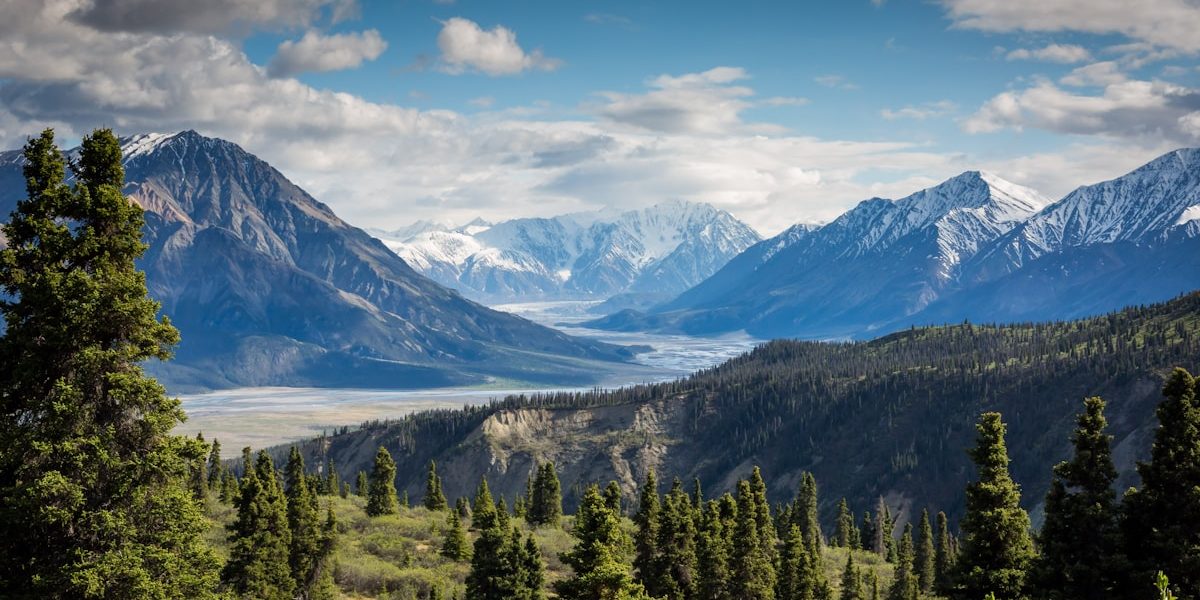
Laoshan doesn’t announce itself from the city. You take a bus east from Qingdao proper, and for a while there is nothing unusual: apartment blocks, a shopping district, the ordinary infrastructure of a prosperous coastal city. Then the road curves, the buildings thin, and suddenly there is a mountain in front of you that looks as if it has been there for a very long time and intends to stay. Which is, of course, true: Laoshan is among the oldest Daoist sacred sites in China, a mountain that has been climbed by pilgrims, poets, monks, and more recently, hikers in moisture-wicking fabric, each group finding something different in the same granite peaks.
What makes Laoshan singular among China’s famous mountains is the combination: it is the only sacred mountain in the country that rises directly from the sea. Stand at certain points along the higher trails and you can see the Yellow Sea below you, close enough to make the altitude feel vertiginous in a way that purely inland peaks cannot replicate. The air carries salt and altitude simultaneously, a combination that doesn’t quite make sense until you’re standing in it, and then it makes complete sense, the way paradoxes do when you encounter them in the right place.
The Mountain’s History in Brief
Daoism has been practiced on Laoshan for at least two thousand years, and the mountain’s remoteness — difficult to reach before modern roads, dramatic enough to discourage casual visitors — made it an ideal location for the serious spiritual work that requires distance from ordinary life. The Taiqing Palace, located at the mountain’s base near the sea, is the oldest and largest of Laoshan’s Daoist temples, with portions of the complex dating to the Song Dynasty. Walking through it before beginning to climb is not mandatory, but it resets your sense of scale: the mountain has been receiving visitors for millennia, and whatever you are planning to do on it today is a small addition to a very long list.
The mountain is also associated with Pu Songling, the Qing Dynasty writer whose collection of supernatural tales, Strange Stories from a Chinese Studio, drew repeatedly on Laoshan’s reputation for mystery and unusual occurrences. Reading those stories before visiting is not necessary, but it provides a layer of narrative that the mountain rewards. When the mist comes in low over the pine forests and the granite boulders disappear into the cloud, you understand why a writer of the uncanny chose this particular place as his source material.
The Routes: What You’re Choosing Between
Laoshan is served by several distinct scenic areas, each with its own character, entry point, and hiking profile. Understanding the differences before you arrive will save you the frustration of discovering, three hours into a climb, that the route you wanted was in a different section entirely.
The Jufeng Scenic Area contains the highest peak on the mountain, Jufeng, at 1,133 meters. This is the route for people who want the full vertical experience: sustained climbing, genuine altitude, and views that justify the effort. The ascent is not technically difficult — this is a marked trail, not a scramble — but it is long, and the upper section involves some rocky terrain where poles are helpful and attention to footing is required. Allow a full day. Start early. Bring more water than you think you need.
The Taiqing Scenic Area combines the historic temples with a more moderate hike along forested trails above the sea. This is the right choice if you want cultural context alongside physical exercise, or if you’re traveling with people of varying fitness levels. The lower portions are accessible; the upper trails require more effort but offer the cliff-and-sea views that make Laoshan’s geography so unusual.
The Yangkou Scenic Area is the least crowded of the main sections and rewards visitors who are willing to put in more research before arriving. The trails here are longer and less developed, the signage less comprehensive, and the rewards correspondingly less packaged. If you want to spend time on Laoshan without spending it alongside many other people, Yangkou is where to go — but verify conditions and trail access before you commit to it, as this varies seasonally.
Practical Details That Matter
Laoshan is about 40 kilometers from central Qingdao. Bus routes connect the city to the main scenic areas, though the journey takes an hour or more and requires some navigation. Taking a taxi or arranging a car for the early morning departure makes more sense if you want to be at the trailhead when the gates open, which you do — the mountain is much more pleasant before the midday crowds arrive.
Entry fees apply to each scenic area separately, and the pricing structure has changed multiple times in recent years, so verify current costs before budgeting. Cablecars are available in the Jufeng and Taiqing areas; they are useful for people with limited time or energy, but they remove a portion of the ascent that is genuinely worthwhile. Use them for descent if you need to, not for ascent if you can avoid it.
The mountain’s weather is its own system. Laoshan generates cloud and mist more reliably than the city below, and summit views can be obscured even when Qingdao itself is clear. This is not a reason to postpone the visit; clouded mountain landscapes have their own quality, and the trails are pleasant regardless of the summit view. But it is a reason to manage expectations and to bring a layer that you may not think you need when you leave your accommodation in the morning sun.
Spring and autumn are the preferred seasons for most visitors, and for good reason: moderate temperatures, lower humidity, and foliage that does interesting things with the light. Summer brings heat and crowds; winter brings cold and solitude. The Laoshan spring, when the mountain’s camellias are in bloom — Laoshan camellia tea is among the region’s most famous products — has a particular quality that justifies timing a visit around it if that’s possible.
The Tea That Comes From Here
Laoshan is the northernmost significant tea-growing region in China, and the tea produced here has a character shaped by the mountain’s combination of altitude, sea air, mineral-rich spring water, and a climate at the edge of what tea plants can tolerate. The result is a green tea with a flavor profile that regular tea drinkers find surprising: less floral than Longjing, with a slight savory depth — what some describe as an ocean note — that reflects the geography in a way that seems too neat to be coincidental but is simply true.
The tea gardens are visible on the lower slopes, and stopping at one of the small tea houses near the Taiqing scenic area to drink a cup of Laoshan green tea before or after climbing is not a tourist performance. It is the correct way to understand what you’re looking at when you see those cultivated rows on the mountainside: the intersection of specific soil, specific water, specific elevation, and the particular microclimate produced by a mountain that meets the sea. The cup of tea is a summary of the mountain. It makes sense to drink it there.
What the Mountain Does to You
Every serious mountain does something to the people who climb it, and Laoshan is no exception. What it does is harder to describe than the summit view or the temple history, because it operates through duration rather than spectacle. You spend several hours in a landscape that is simultaneously wild and inhabited — there are trails, there are markers, there are other people — but that maintains a quality of remove that the city below does not. The sounds are different. The air is different. The pace your body naturally adopts is different.
By the time you descend, the city will look different too, not because it has changed, but because you have briefly been somewhere that operates according to different rules. Qingdao, from the bus back to the center, will look smaller and more provisional than it did in the morning. The mountain will already be behind you, doing what it has always done: standing there, generating its own weather, waiting for the next person who needs to climb something in order to understand where they are.
That is what Laoshan offers, beneath the scenic areas and the entry fees and the cablecars and the tea houses. It offers altitude and perspective, in both the literal and figurative senses. In a city that sits at sea level and is very good at being a city, the mountain behind it is the thing that reminds you that the ground rises somewhere, and that rising is worth the effort it takes to follow it up.