QingdaoShop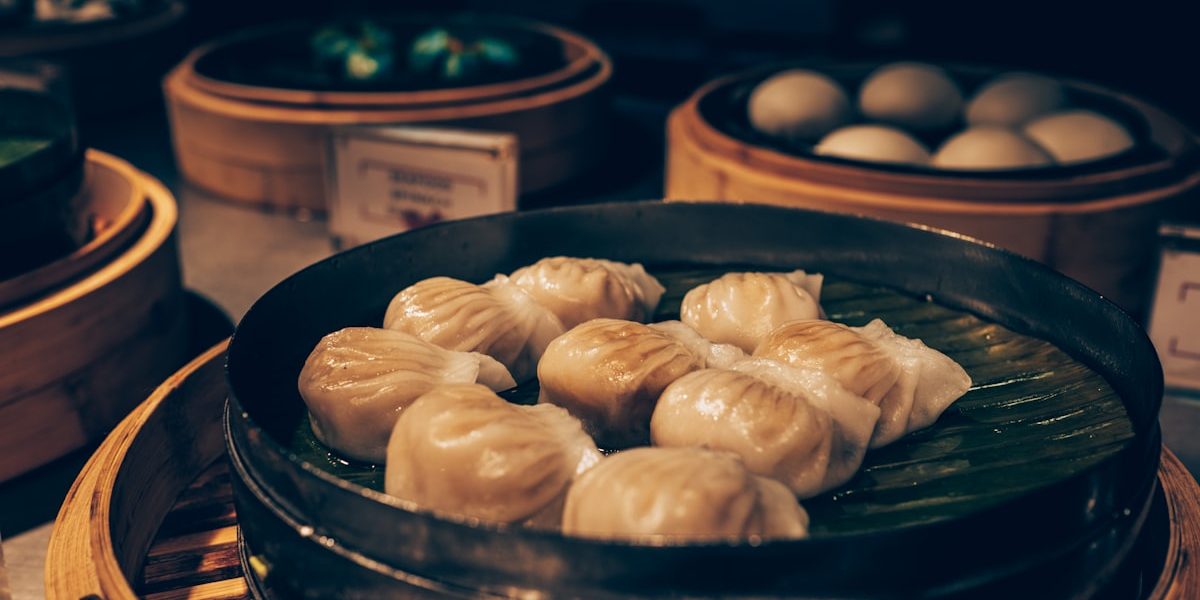
Why Chengdu Is China’s Street Food Capital
I still remember my first night in Chengdu. The air smelled like chili oil and Sichuan pepper, and every alley seemed to have a tiny stall with a line of locals waiting patiently. That’s when I realized this wasn’t just another Chinese city — this was a place where food is practically a religion.
Chengdu earned UNESCO’s Creative City of Gastronomy title back in 2010, and honestly, it’s not hard to see why. The city runs on flavor. Not the polite, balanced kind you might find in Cantonese cooking, but bold, in-your-face combinations of spice, numbness, sweetness, and tang that hit your palate all at once. Locals call it mala (麻辣) — the signature tingle-and-burn sensation that defines Sichuan cuisine.
But here’s the thing most visitors get wrong: Chengdu food isn’t just about heat. The best dishes here layer at least three or four flavors together, and some of the city’s most beloved snacks aren’t spicy at all. So whether you’re a chili fiend or someone who reaches for water after a sprinkle of black pepper, Chengdu has something incredible waiting for you.
The Must-Try Street Foods
1. Dan Dan Noodles (担担面)
If Chengdu had an official dish, this would probably be it. A small bowl of thin noodles swimming in a sauce made from sesame paste, chili oil, Sichuan pepper, minced pork, and preserved vegetables. The portion is deliberately small — locals treat it as a snack, not a meal, and you’ll find yourself going back for seconds. The best versions come from hole-in-the-wall shops where the owner has been making them for decades. Look for places where the chili oil is homemade and you can see the sediment of ground spices at the bottom of the bowl.
2. Mapo Tofu (麻婆豆腐)
Soft cubes of silken tofu in a bubbling sauce of fermented bean paste, ground beef, chili flakes, and that famous Sichuan pepper. The dish was invented at a small restaurant near Wanfu Bridge over 150 years ago, and the original shop — Chen Mapo Tofu — still operates today. What makes the real deal different from the versions you’ve had abroad is the balance. Good mapo tofu should be simultaneously spicy, numbing, hot, fresh, tender, and fragrant. It sounds impossible, but one bite and you’ll understand.
3. Chuan Chuan Xiang (串串香) — Skewer Hotpot
Imagine hotpot, but instead of ordering plates, you grab bamboo skewers loaded with meat, vegetables, mushrooms, and tofu, then dunk them into a communal pot of simmering chili broth. When you’re done, the staff counts your skewers and charges you — usually just a few cents each. It’s the most social way to eat in Chengdu. Find a spot in the Yulin neighborhood, order a beer, and spend the evening picking skewers with friends. This is how locals actually eat.
4. Zhong Dumplings (钟水饺)
These aren’t your typical boiled dumplings. Zhong dumplings are filled only with seasoned pork (no vegetables) and drenched in a sweet, garlicky chili oil sauce. They’re slippery, rich, and surprisingly addictive. Named after the Zhong family who started selling them from a street cart in the 1930s, you can still find them at dedicated Zhong Dumpling shops throughout the city. The sauce is what makes them — sweet soy, red chili oil, and a generous hit of garlic.
5. Rabbit Head (兔头)
Okay, I know. But hear me out. Rabbit head is Chengdu’s unofficial mascot food, and locals consume millions of them every year. They come in two styles — mala (spicy and numbing) or wuxiang (five-spice). Eating one is a hands-on, somewhat messy experience that involves cracking the skull and picking out tender bits of cheek meat and brain. It’s not for everyone, but if you’re an adventurous eater, this is the ultimate Chengdu experience. The cheek meat is genuinely delicious.
6. Long Chao Shou (龙抄手) — Dragon Wontons
Silky thin-skinned wontons in a clear chicken broth, or served “dry” with chili oil. The name literally means “dragon crossed hands,” referring to the folding technique. The wrappers are so thin they’re almost transparent, and the filling is a simple mix of pork and a touch of ginger. It’s one of those rare dishes where simplicity is the whole point. On a chilly Chengdu morning, a bowl of these with a side of pickled vegetables is absolute perfection.
7. Bo Bo Ji (钵钵鸡) — Cold Pot Skewers
Think of this as chuan chuan xiang’s cooler cousin. Pre-cooked skewers of chicken, duck intestine, lotus root, and quail eggs sit soaking in a bath of spicy, nutty chili oil at room temperature. You just grab what looks good and eat. It’s the ultimate grab-and-go street food, and the flavor gets better the longer the skewers sit in the sauce. Look for shops in the Kuanzhai Alley area — but skip the tourist-priced ones on the main drag and duck into the side streets.
8. Sweet Water Noodles (甜水面)
Thick, chewy noodles — almost like fat udon — served cold with a sauce that walks the line between sweet and spicy. Soy sauce, chili oil, sugar, sesame paste, and crushed peanuts all come together in a way that shouldn’t work but absolutely does. Each noodle is about as thick as a chopstick, giving it a satisfying bite. It’s typically a breakfast or afternoon snack, and you’ll find carts selling it near most major markets.
9. Egg-Wrapped Glutinous Rice Cake (蛋烘糕)
This is Chengdu’s answer to the crepe. A thin egg batter is poured onto a small round griddle, then filled with your choice of sweet or savory fillings — crushed peanuts and sugar, spicy shredded potato, or cream and fruit. The whole thing costs less than a dollar and takes about 90 seconds to make. You’ll spot the carts by their distinctive round copper griddles and the smell of browning egg batter. It’s one of those perfect afternoon snacks that locals have been eating since childhood.
10. Sichuan Hot Pot (四川火锅)
You can’t write about Chengdu food without mentioning hot pot. The Sichuan version uses a base of beef tallow, dried chilies, and a mountain of Sichuan peppercorns that turns the broth an alarming shade of red. Most restaurants offer a split pot — half spicy, half mild — so you can ease your way in. The key ingredients to order are: sliced beef, duck blood, tripe, lotus root, potato, and winter melon. Don’t forget the sesame oil dipping sauce with crushed garlic. Dinner at a busy hot pot restaurant, surrounded by steam and laughter, is one of the great pleasures of visiting Chengdu.
11. Lai Tangyuan (赖汤圆)
Soft glutinous rice balls filled with sweet black sesame paste or crushed peanuts, served in a warm sweet soup. This is comfort food at its purest. Lai Tangyuan has been a Chengdu institution since the 1890s, and the texture of the mochi-like skin paired with the runny, nutty filling is something you won’t forget. It’s usually eaten as dessert or a late-night snack.
12. Guokui (锅盔) — Stuffed Flatbread
A thick, crispy flatbread stuffed with spiced pork, brown sugar, or vegetables, cooked in a cylindrical clay oven. The outside shatters when you bite into it, giving way to a soft, fragrant interior. Military Guokui (军屯锅盔) is the most popular style — stuffed with minced pork and Sichuan pepper. It’s messy, flaky, and ideal for eating while walking through Jinli Ancient Street on a warm evening.
Where to Find the Best Street Food in Chengdu
Yulin neighborhood is where locals actually eat. Skip the tourist-oriented Jinli Street for dinner (though it’s fine for a casual stroll) and head to Yulin for authentic chuan chuan xiang and late-night barbecue. Jianshelu near Sichuan University is another goldmine — affordable, student-friendly, and packed with variety. For a curated experience, Fang Suo Commune in Taikoo Li has upscale street food vendors alongside bookshops and cafes.
The Wenshu Monastery area deserves a morning visit. The temple courtyard teahouse is a lovely place to sip jasmine tea, and the surrounding streets are lined with breakfast stalls selling congee, baozi, and fresh soy milk.
Tips for Eating Street Food in Chengdu
Build up your spice tolerance gradually. Start with less intense dishes like sweet water noodles and wontons before graduating to the heavy-hitting mala options. Carry tissues — napkins are scarce at street stalls. And learn to say “wēi là” (微辣, mild spice) if you want to survive your first day. Most importantly, follow the crowds. If you see a stall with a long line of locals and no English menu, that’s probably exactly where you want to be.
Chengdu rewards the curious eater. Go beyond the familiar, try something that looks strange, and let the city surprise you. I’ve traveled through dozens of food cities around the world, and Chengdu still ranks at the very top of my list.
Planning to bring Sichuan flavors home? Visit QingdaoShop.com for authentic Chinese specialty products shipped worldwide, including Sichuan peppercorns, chili oil, and more.