QingdaoShop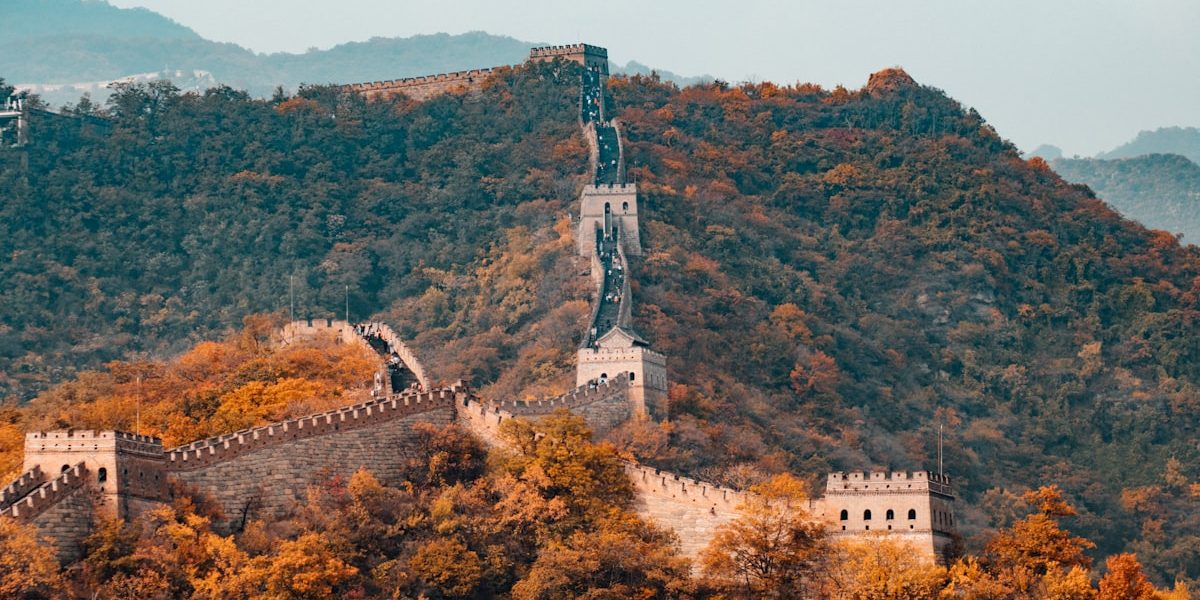
The Beijing That Guidebooks Forget
Everyone who visits Beijing goes to the Great Wall, the Forbidden City, and the Temple of Heaven. And they should — these are genuinely extraordinary places. But if you spend your entire trip checking off the big-ticket landmarks, you’ll leave with photos of famous buildings and absolutely no sense of what Beijing actually feels like as a living city.
The real Beijing — the one that 22 million people call home — lives in the hutong alleyways where retirees play chess under crabapple trees, in the night markets where university students argue over the best lamb skewers, in the underground music venues and converted factory art districts that most tourists never discover. This guide is about that Beijing.
The Art of Getting Lost in Hutongs
Hutongs are Beijing’s ancient residential alleyways — narrow lanes lined with traditional courtyard houses (siheyuan) that once housed the city’s families for generations. Hundreds have been demolished to make way for development, which makes the surviving ones even more precious.
The touristy hutongs around the Bell and Drum Towers and Nanluoguxiang are fine for a first impression, but they’ve been sanitized into souvenir shops and overpriced cafes. For the real thing, head to the less-polished neighborhoods.
Dashilar and Yangmeizhu Xiejie — Just south of Tiananmen, this area mixes centuries-old shop fronts with experimental art spaces, indie bookstores, and creative studios. Walk down Yangmeizhu Xiejie (杨梅竹斜街) and you’ll pass buildings that have been here since the Ming Dynasty alongside contemporary design shops. It’s gentrifying, but slowly and with some taste.
Baochao Hutong area — Near the Drum Tower, the web of alleyways around Baochao Hutong has a great concentration of bars, live music venues, and small restaurants. It gets lively after dark and feels genuinely local despite its central location.
Dongsi hutongs — Farther east and less visited, the alleys around Dongsi are quieter and more residential. You’ll see elderly couples walking dogs, children playing in doorways, and the small details of daily life that make hutongs special — birdcages hung outside doors, potted plants on narrow ledges, handwritten signs for neighborhood services.
Where Locals Actually Eat
Breakfast: Jianbing and Douzhi
Every morning, sidewalk vendors across Beijing set up their circular griddles and start cranking out jianbing — savory crepe-like wraps made from a mung bean batter, spread with egg, cilantro, scallion, hoisin sauce, chili paste, and a crispy fried cracker. Watching a skilled jianbing maker work is mesmerizing — the whole thing takes about two minutes and costs roughly a dollar. Find a cart near any subway station around 7-8 AM.
For something more adventurous, try douzhi (豆汁) — fermented mung bean milk that’s beloved by old Beijingers and actively despised by almost everyone else. It smells sour, tastes funky, and has the consistency of thin yogurt. Locals drink it with jiaoquan (焦圈, crispy fried dough rings) and pickled vegetables. Whether you love it or hate it, trying douzhi is a Beijing rite of passage.
Lunch: Zhajiang Mian and More
Zhajiang mian (炸酱面) is Beijing’s signature noodle dish — thick hand-pulled noodles topped with a dark, savory sauce of fermented soybean paste and minced pork, served with a spread of fresh julienned vegetables: cucumber, radish, bean sprouts, and edamame. You mix everything together yourself, and the contrast between the rich sauce and crisp raw vegetables is what makes it work. It’s simple, satisfying, and deeply Beijingese.
For Peking duck without the tourist markup, locals head to small neighborhood roast duck shops rather than the famous chains. A whole duck at a local place costs a fraction of the famous restaurants and is often just as good — crispy mahogany skin, tender meat, thin pancakes, scallion, cucumber, and sweet bean sauce. Ask your hotel for a recommendation near wherever you’re staying.
Late Night: Lamb Skewers and Cold Beer
Beijing’s street food culture peaks after dark. Chuar (串儿) — grilled lamb skewers seasoned with cumin and chili — are the city’s unofficial late-night food. The best ones come from the small, often Muslim-run, grill stands and restaurants concentrated around Niujie (牛街), Beijing’s historic Hui Muslim neighborhood. Pair your skewers with cold Yanjing beer and you’ve got the quintessential Beijing evening.
Culture Off the Beaten Path
798 Art District
A sprawling complex of former military electronics factories repurposed into galleries, studios, and creative spaces. Most visitors know about 798, but few spend enough time here. Budget at least half a day. Beyond the big-name galleries like UCCA Center for Contemporary Art, explore the smaller studios hidden in the back alleys — this is where you’ll find emerging Chinese artists doing genuinely exciting work. The area also has excellent coffee shops and a few good restaurants.
Red Theatre Area and Dashilan
The area around Dashilan (大栅栏) near Qianmen was Beijing’s entertainment and commerce district for 500 years. The restored main street is polished but interesting, and the side alleys reveal a grittier, more authentic Beijing. Look for traditional medicine shops, old-school tea houses, and the few remaining opera rehearsal halls where retired performers still practice.
Temple of the Sun Park (Ritan)
While everyone crowds into the Temple of Heaven, Ritan Park (日坛公园) sits quietly in the embassy district, largely tourist-free. Built in 1530 for the emperor to make sacrifices to the sun, today it’s a peaceful green space where locals practice calligraphy with water brushes, dance in groups, and play erhu under ancient trees. There’s a lovely stone altar at the center and a surprisingly good Russian restaurant on the park’s edge.
Day Trips Worth Taking
The Wild Wall at Jiankou
If the restored sections of the Great Wall at Badaling or Mutianyu feel too manicured for you, Jiankou (箭扣) offers the Wall in its raw, unrestored state. Crumbling watchtowers, overgrown steps, sections where trees have grown through the stones — it’s hauntingly beautiful and considerably more challenging. This is a proper hike, not a tourist stroll, and you should go with a guide or experienced hiking group. The sense of solitude on the wild wall, standing on a watchtower with no one else in sight, is something you’ll remember forever.
Cuandixia Ancient Village
About 90 minutes west of Beijing, this perfectly preserved Ming Dynasty village clings to a hillside in a narrow valley. The stone houses, courtyards, and alleyways have barely changed in 500 years. It’s a popular weekend destination for Beijingers, so visit on a weekday if possible. The village guesthouses serve simple, delicious mountain food — corn porridge, stewed wild herbs, and freshly picked walnuts.
Practical Tips
The subway is your best friend. Beijing’s metro system is massive, cheap, and efficient. It’ll get you to most places. For hutong areas and places between stations, share a DiDi (rideshare) or just walk — the alleyways are best explored on foot.
Air quality varies. Check the AQI (Air Quality Index) each morning. On bad days, wear a mask and consider indoor activities. On good days — which are increasingly common thanks to environmental initiatives — Beijing’s blue sky is genuinely stunning against the golden rooftops of the Forbidden City.
Shoulder season is best. September and October bring clear skies and comfortable temperatures. Spring (April-May) is also good but dusty. Summer is hot and humid; winter is bitter cold but dramatically atmospheric, with far fewer tourists and the occasional magical snowfall on the Forbidden City.
Take a piece of Beijing home with you. Shop authentic Chinese snacks, tea, and specialty products at QingdaoShop.com — from Beijing sesame candy to premium jasmine tea.