QingdaoShop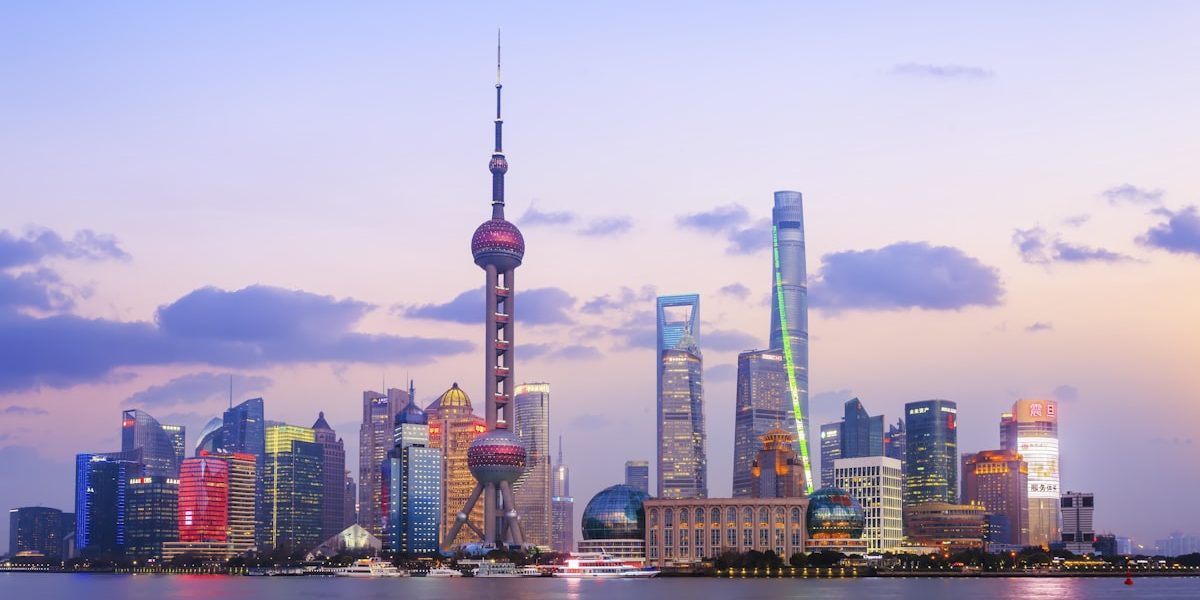
Shanghai: Where Old Meets New in the Most Dramatic Way Possible
The first time I walked along the Bund at night, with the art deco banks on one side and Pudong’s sci-fi skyline across the river, I understood why people call Shanghai the most cinematic city in Asia. It’s a place of contrasts that somehow never feels contradictory — century-old plane trees shading lanes where grandmothers hang laundry beside boutique cocktail bars, and street vendors selling scallion pancakes around the corner from Michelin-starred restaurants.
Three days isn’t enough to fully experience Shanghai, but it’s enough to fall in love with it. This itinerary balances the big landmarks with the quieter corners that most visitors miss, and builds in plenty of time for eating — because honestly, that’s half the reason to come here.
Day 1: The Classic Shanghai Experience
Morning: The Bund and Beyond
Start your first morning at the Bund (外滩) before the crowds arrive. Walking along this waterfront promenade around 7 or 8 AM, you’ll see locals doing tai chi with the Pudong skyline as their backdrop. The 52 heritage buildings that line the west side of the Bund tell the story of Shanghai’s colonial era — grand neoclassical banks, art deco hotels, and trading houses that once formed the financial heart of East Asia.
Walk south to the Rockbund Art Museum for contemporary exhibitions in a beautifully restored 1932 building. Then cross through the pedestrian tunnel (or take a taxi — the tunnel’s psychedelic light show is fun once but gets old fast) to Lujiazui in Pudong. If you want to go up a tower, skip the Pearl Tower and head to the Shanghai Tower instead. At 632 meters, it’s the tallest building in China, and the observation deck on the 118th floor offers views that genuinely make you catch your breath.
Afternoon: Old Shanghai
Take the metro to Yu Garden (豫园) area. The garden itself is a beautiful example of Ming Dynasty landscape design — pavilions, rockeries, koi ponds, and winding corridors designed to surprise you at every turn. Budget about an hour inside. The surrounding bazaar area is touristy but worth a quick walk for the architecture alone.
For lunch, find Nanxiang Steamed Bun Restaurant (南翔馒头店) on the second floor of the building overlooking the nine-turn bridge. Yes, there’s a line. Yes, it’s worth it. Their xiaolongbao have been made here since 1900, and biting into one — carefully, to avoid the scalding soup inside — is a small but genuine Shanghai ritual.
Evening: Nanjing Road and Dinner
Walk the neon-lit pedestrian stretch of Nanjing East Road, then escape the crowds by ducking into the side streets south of the main drag. For dinner, find a local restaurant serving Shanghai-style braised pork belly (红烧肉), hairy crab (if visiting in autumn), or shengjianbao — pan-fried soup dumplings with a crispy bottom. Unlike their delicate xiaolongbao cousins, shengjianbao are hearty, slightly greasy, and incredibly satisfying.
Day 2: Art, History, and the French Concession
Morning: Tianzifang and the Former French Concession
The Former French Concession is Shanghai’s most walkable neighborhood, and the best way to experience it is to put away your phone and just wander. Start at Tianzifang (田子坊) on Taikang Road. It’s a labyrinth of narrow shikumen alleyways converted into studios, boutiques, and tiny cafes. Go early — by noon it gets packed. Look up as you walk; the architecture above the shops is often more interesting than what’s in the windows.
From there, stroll along Wukang Road (武康路), one of the most photographed streets in Shanghai. The Wukang Mansion — a wedge-shaped Normandy-style apartment building from 1924 — anchors the southern end. The whole street is lined with mature plane trees, independent coffee shops, and former residences of Shanghai’s early 20th-century elite.
Afternoon: Culture and Coffee
Visit the Propaganda Poster Art Centre — tucked away in the basement of a residential building, this small private museum houses an amazing collection of original Chinese propaganda posters from the 1950s through the 1970s. It’s one of Shanghai’s best-kept secrets. Afterwards, grab an excellent coffee at one of the many specialty roasters in the Jing’an or Xuhui districts. Shanghai’s coffee scene has exploded in recent years and now rivals Melbourne or Tokyo in quality.
If you prefer something bigger, the Power Station of Art is China’s first state-run contemporary art museum, housed in a converted power plant on the Huangpu River. Free admission, world-class exhibitions, and an industrial atmosphere that rivals London’s Tate Modern.
Evening: Cocktails and Night Views
Shanghai’s cocktail bar scene is world-class. Speak Low, hidden behind a fake shelf in a bartending supply shop, has been ranked among Asia’s best bars for years. For something more relaxed, grab a table at Bar Rouge on the Bund for unbeatable Pudong views with your drink. Or do what the locals do — buy cold beers from a convenience store and sit on the steps along the Bund waterfront. Sometimes the best nightlife is the simplest.
Day 3: Beyond the Center
Morning: Zhujiajiao Water Town
Take a morning bus (about 90 minutes) to Zhujiajiao (朱家角), a 1,700-year-old water town on the outskirts of Shanghai. Stone bridges, canal-side houses, and locals going about their daily lives make this feel like stepping into another century. Rent a small wooden boat for a ride through the canals, try the famous zongzi (sticky rice wrapped in bamboo leaves) from a waterside vendor, and explore the narrow lanes before the day-trip crowds from the city arrive.
Afternoon: Jing’an Temple and Neighborhood
Back in the city, visit Jing’an Temple — a striking golden Buddhist temple surrounded by glass skyscrapers. The contrast is peak Shanghai. The surrounding neighborhood offers excellent shopping and eating. Jing’an Kerry Centre has a good food court, but for more authentic fare, explore the small streets behind the temple for noodle shops and dumpling houses that cater to the office lunch crowd.
Evening: Suzhou Creek and Farewell Dinner
End your trip with a walk along Suzhou Creek (苏州河). Once an industrial waterway, it’s been transformed into a pleasant promenade lined with galleries, converted warehouses, and riverside parks. The area around M50 Art District has some great galleries if you’re into contemporary Chinese art.
For your final dinner, splurge on a proper Shanghainese feast: drunken chicken (cold chicken marinated in Shaoxing wine), lion’s head meatballs (large, tender pork meatballs in a light broth), smoked fish (crispy-sweet cold appetizer), and stir-fried rice cakes with shredded pork and chives. Pair it with a cold Tsingtao or a glass of Shaoxing wine served warm.
Practical Tips for Shanghai
Getting around: The metro is excellent, cheap, and well-signed in English. For areas between stations, use DiDi (China’s Uber). Taxis are affordable but can be hard to hail during rush hour.
Money: Cash is increasingly rare. Most places use WeChat Pay or Alipay. As a tourist, you can now link international credit cards to Alipay, which makes life much easier. Still, carry some cash for small vendors and older shops.
Language: English is more widely spoken here than in most Chinese cities, especially in tourist areas. But learning a few basics — hello (nǐ hǎo), thank you (xièxie), the bill please (mǎidān) — goes a long way.
Best time to visit: October and November offer comfortable weather with clear skies. Spring (April-May) is also lovely. Avoid the weeks around Chinese New Year and the first week of October (National Holiday) when the city is extremely crowded.
Want to take a taste of Shanghai home? Browse authentic Chinese specialty products at QingdaoShop.com — from Shaoxing cooking wine to premium Chinese tea, delivered worldwide.