QingdaoShop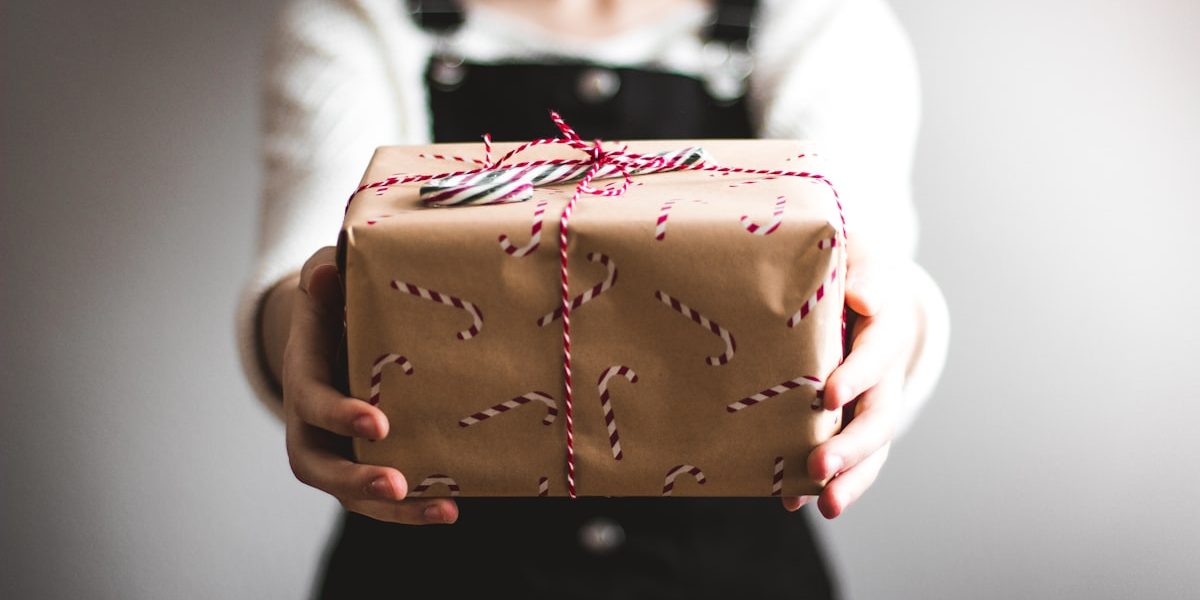
Gift-giving in China is an art form with roots stretching back thousands of years. Whether you’re visiting Chinese friends, attending a business meeting, or simply want to show appreciation, understanding the cultural nuances of giving and receiving gifts can make the difference between a thoughtful gesture and an awkward moment.
The good news? Once you understand a few key principles, Chinese gift-giving is intuitive and deeply rewarding. This guide covers everything you need to know.
The Golden Rules of Chinese Gift-Giving
🎁 Presentation Matters as Much as the Gift
In Chinese culture, the way a gift is wrapped and presented carries enormous significance. Red and gold wrapping signals good fortune and prosperity. Elegant packaging shows respect and thoughtfulness. A beautifully presented modest gift often impresses more than an expensive one in plain wrapping. This is why Chinese specialty products often come in ornate gift boxes — the packaging is part of the gift itself.
🔢 Lucky Numbers: 2, 6, 8 — Unlucky: 4
Numbers carry deep symbolism in Chinese culture. Gifts should come in pairs or even numbers — two bottles of wine, six pieces of fruit, eight tea cakes. The number 8 (八, bā) sounds like “prosper” and is considered extremely lucky. The number 6 (六, liù) symbolizes smooth progress. However, avoid the number 4 (四, sì) at all costs — it sounds like “death” (死, sǐ) and is considered deeply unlucky. Never give four of anything.
🙌 Two Hands, Always
When giving or receiving a gift, always use both hands. This gesture shows respect and sincerity. It’s also customary for the recipient to initially decline a gift once or twice before accepting — this is politeness, not rejection. Gently insist, and the gift will be graciously accepted.
📦 Don’t Expect Gifts to Be Opened Immediately
Unlike Western culture where gifts are often opened in front of the giver, Chinese etiquette traditionally calls for opening gifts privately. This avoids any potential embarrassment if the gift doesn’t meet expectations. Don’t be offended if your gift isn’t unwrapped on the spot — it’s actually a sign of respect.
Best Gift Ideas for Chinese Friends & Colleagues
🍵 Premium Tea
Tea is perhaps the most universally appreciated gift in Chinese culture. A box of high-quality Chinese tea — like Laoshan Green Tea, Longjing, or Tieguanyin — communicates sophistication, good taste, and cultural awareness. Tea gifts are appropriate for virtually any occasion: business meetings, family visits, holidays, or simple gestures of appreciation.
🍷 Quality Liquor or Wine
Fine baijiu (Chinese white spirit), imported wine, or craft spirits are popular gifts, especially in business contexts. Moutai and Wuliangye are the premium Chinese choices. For Western visitors, bringing a quality wine from your home country adds a personal, cross-cultural touch.
🧧 Red Envelopes (红包, Hóngbāo)
Cash gifts in red envelopes are traditional for Chinese New Year, weddings, birthdays, and when visiting someone’s newborn baby. The amount should be even and avoid the number 4. Common amounts are ¥200, ¥600, ¥800, or ¥1,000 depending on the relationship and occasion.
🍬 Specialty Foods & Sweets
Regional specialty foods make excellent gifts — they’re unique, consumable (no storage burden), and show that you put thought into selecting something special. Qingdao specialties like dried seafood snacks, Laoshan tea, and beer-flavored treats are perfect examples.
🧴 Health & Wellness Products
Traditional health products — ginseng, bird’s nest, honey, herbal supplements — are thoughtful gifts, especially for older family members. They signal that you care about the recipient’s wellbeing.
🎨 Local Specialties from Your Hometown
If you’re a foreign visitor, gifts that represent your home culture are highly valued. Chocolates from Belgium, cheese from France, maple syrup from Canada, or coffee from Colombia all carry the added charm of cultural exchange.
Gifts to Absolutely Avoid
⏰ Clocks: The phrase “giving a clock” (送钟, sòng zhōng) sounds exactly like “attending a funeral” (送终, sòng zhōng). This is the most well-known gift taboo in Chinese culture. Never, ever give a clock as a gift. Watches are generally fine, though some conservative recipients may still feel uncomfortable.
✂️ Sharp Objects: Knives, scissors, and letter openers symbolize cutting a relationship. Avoid them as gifts.
👟 Shoes: The word for shoes (鞋, xié) sounds like “evil” (邪, xié) in some dialects. Giving shoes can also imply you want the person to walk away from you.
🖤 White or Black Wrapping: White and black are colors associated with funerals and mourning in Chinese culture. Always choose red, gold, pink, or other bright colors for gift wrapping.
🍐 Pears: Sharing pears (分梨, fēn lí) sounds like “separation” (分离, fēn lí). Avoid giving pears to couples or as a housewarming gift.
☂️ Umbrellas: The word for umbrella (伞, sǎn) sounds like “scatter” (散, sàn), implying the relationship will fall apart.
🪞 Mirrors: Believed to attract negative spirits in traditional superstition. Best avoided.
Gift-Giving in Business Settings
Business gift-giving follows all the general rules above, with a few additional considerations. Always present gifts to the most senior person first. Group gifts should be uniform — giving different-value gifts to different team members can cause embarrassment. Avoid overly expensive gifts, which can feel like bribery. Quality tea, regional specialty foods, or elegant branded items are safe, appropriate choices.
In corporate contexts, gifts are typically exchanged at the end of meetings or dinners, not at the beginning. If you’re visiting a Chinese company, bringing a gift from your home country or region shows thoughtfulness and cultural sensitivity.
Occasion-Specific Tips
Chinese New Year: Red envelopes, premium food gifts, fruits (especially oranges and tangerines — they symbolize wealth), tea, and baijiu.
Weddings: Red envelopes with cash (even amounts, avoid 4). Some modern couples also have registries.
Visiting Someone’s Home: Fresh fruit, tea, pastries, or a bottle of wine. Never arrive empty-handed.
Hospital Visits: Fresh fruit and flowers (but avoid white flowers). Never bring clocks, and avoid the number 4 in any gift quantity.
Find the Perfect Chinese Gift
Looking for a gift that’s authentically Chinese, beautifully packaged, and culturally appropriate? Our curated collection of Qingdao specialty products includes premium Laoshan green tea, dried seafood gift boxes, and unique local specialties — all presented in elegant gift packaging.
Have your own Chinese gift-giving experiences or questions? Share them in the comments below!